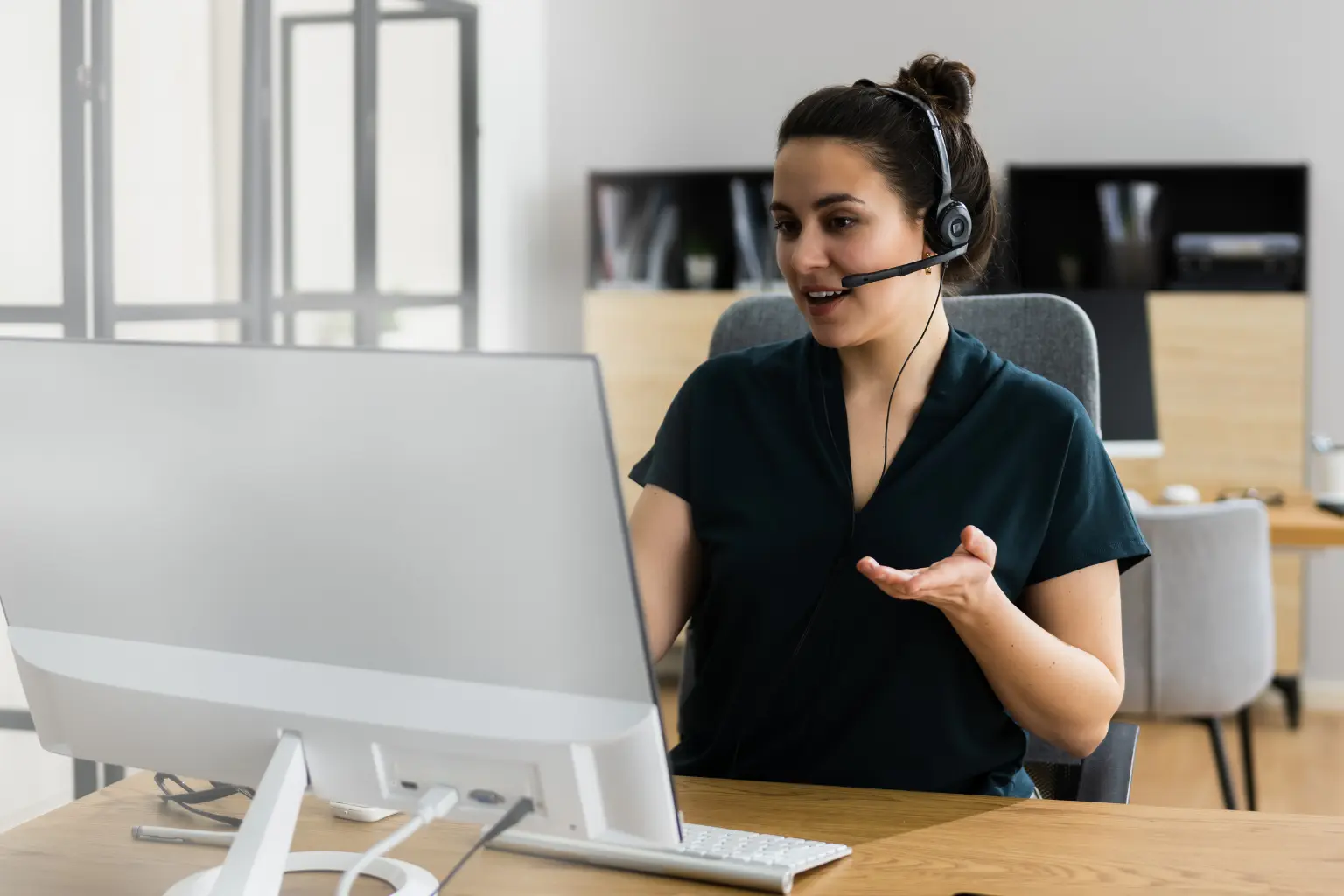
Remote work and virtual assistance have become integral to many businesses. As companies rely more on distributed teams and managing virtual teams across time zones, ensuring high performance and accountability is crucial. Leaders often ask how to manage virtual assistants effectively so that productivity remains high and tasks don’t fall through the cracks. Virtual assistants provide remote business support that allows entrepreneurs and executives to focus on core activities, but this only works when clear expectations and oversight are in place. Remote work offers flexibility and efficiency, but without a strong accountability framework, tasks can become ambiguous, and collaboration may suffer. This article explores strategies and best practices for balancing performance management with trust in a remote assistant model.

Accountability means team members reliably meet their commitments and quality standards. This is even more critical in remote settings where you can’t casually monitor progress in person. Building a culture of accountability starts with trust and clarity. Every virtual team member should understand their role and know that others are depending on them. It’s often said that trust is earned through consistency, and in remote teams, consistency comes from accountability. In other words, trust among your remote team members is built on a foundation of accountability. When team members consistently deliver on their promises, colleagues learn to count on each other despite never sharing an office.
However, achieving accountability can be challenging when your assistants or team members are oceans away. Miscommunications or a lack of visibility into daily work can lead to slips in responsibility. That’s why remote team accountability must be deliberately cultivated. Start by setting the tone that results matter more than mere activity. Encourage a mindset in which each person “owns” their tasks and outcomes, fostering a sense of responsibility akin to an in-office environment. Leaders can foster a culture where accountability isn’t enforced top-down, but rather embraced by each team member.
One of the first steps in virtual assistant management is to establish what success looks like. When setting KPIs for virtual assistants, ensure they align with your business goals and are clearly measurable. Simply keeping virtual staff busy is not enough. You need to define outcomes and standards. Identify the performance metrics for virtual assistants that directly reflect their contributions. For example, a virtual assistant handling administrative tasks might be evaluated on factors such as task completion rate, email response time, documentation quality, and adherence to deadlines.
Defining a handful of specific KPIs gives both you and your assistant a concrete way to measure progress. It also shifts focus to results instead of micromanaging hours. Time spent doesn’t always equate to meaningful work. KPIs offer a lens to view results over mere activity. This means you might track how many tasks were completed or the accuracy of data entries, rather than just whether someone was “online” for eight hours. Here are a few common performance metrics and KPIs that can be useful for virtual assistants:
By communicating these metrics upfront, both you and the virtual assistant know what matters most. Make sure to document these expectations. Each VA should have a clear understanding of its responsibilities and the criteria by which its performance will be judged. Setting such clarity early on prevents confusion and sets a positive tone that encourages the assistant to take ownership of their work outcomes.
Frequent communication is the lifeblood of a successful remote working relationship. Without face-to-face office interactions, it’s easy for a virtual assistant to feel disconnected or for miscommunication to arise. To counter this, establish regular check-ins and feedback loops. Schedule weekly or biweekly meetings to discuss progress, obstacles, and priorities. Encourage your professional virtual assistant to ask questions and provide updates proactively. This ensures you catch any issues early and keep projects on track.
Crucially, communication should be two-way. Create an environment where your assistant feels comfortable sharing concerns or suggestions. Constructive feedback should flow in both directions. You provide guidance on performance, and the assistant can highlight any support they need or inefficiencies they notice. Keep messages clear and tone positive. Also consider leveraging multiple channels: quick chats or instant messages for minor queries, and video calls for more complex discussions or relationship-building.

Structured communication doesn’t just keep everyone informed. It also actively supports accountability. Regular touchpoints make it evident when deliverables are lagging or if someone is stuck and needs help. Moreover, consistent updates help maintain focus on goals. As one HR guide puts it, frequent communication helps monitor employee productivity and keeps workers focused on company goals. This could mean a Monday morning email outlining weekly priorities and a Friday recap on progress. You reinforce that the virtual assistant’s work is visible and important, which in turn motivates them to stay on top of their responsibilities.
It can be tempting for managers to use every tool at their disposal to keep a watchful eye on remote staff. There are countless software solutions for time tracking, screenshot capturing, and activity logging. While a degree of remote team monitoring is understandable, it’s vital not to go overboard. Excessive remote employee monitoring can backfire badly. If a virtual assistant feels that every minute of their day is being scrutinized, they may experience stress or resentment, which hurts productivity and loyalty. The goal is to create visibility into work progress without veering into a surveillance atmosphere.
Use project management tools or shared dashboards to make tasks and deadlines transparent. This way, both you and the assistant can see what’s in the pipeline and what’s completed, without constant pings for updates. Tracking deliverables is generally more effective than tracking every minute of activity. Remember that accountability is about results, not keystrokes. Intrusive monitoring can erode the very accountability you seek to improve. Research warns that heavy-handed surveillance often signals distrust and discourages creativity rather than fostering accountability. When people feel overly watched, they may disengage or avoid taking initiative.
To strike the right balance, focus on setting up systems that report outputs automatically. For example, use time-tracking apps only if necessary and ensure they are implemented transparently. Avoid any clandestine monitoring; always respect privacy boundaries and legal guidelines. Encourage your virtual assistant to self-report accomplishments at the end of the day or week, which reinforces their own sense of responsibility. The best remote managers monitor outcomes and support their team, rather than micromanage every click.
Even the best virtual assistants need ongoing development to stay at peak performance. When you invest in your assistant’s skills, it’s a win-win: they grow into a more professional virtual assistant and your business benefits from improved expertise and efficiency. Regular training, upskilling, and knowledge sharing should be part of your management strategy. This could include formal courses, informal learning, or coaching sessions where you provide feedback and tips. Encouraging continuous learning keeps the assistant engaged and improves their capability to handle complex tasks over time.
Moreover, development opportunities can boost motivation and loyalty. VAs who feel that their client or employer is interested in their growth are more likely to take initiative and show accountability. If someone hopes to become a virtual assistant or advance in that career, they should embrace learning new tools and improving their soft skills. From the manager’s side, consider setting aside a small budget or time allowance for training activities.
Remember that improvement is an ongoing process. Provide constructive feedback through periodic performance reviews, highlighting areas of excellence and those for improvement. Together, set goals for skill development. Supporting your assistant’s growth is directly tied to accountability: an empowered, skilled VA will take greater pride in their work and handle greater responsibility with confidence. Offering opportunities for professional growth and training can greatly enhance a VA’s motivation, as ongoing training boosts the professionalism and trustworthiness of virtual assistants.
Over time, you may find that a virtual assistant initially hired for basic tasks grows into a multifaceted team member who can even take on higher-level duties, for example, evolving into a virtual executive assistant handling executive scheduling or client communications with minimal oversight. The more proactive and proficient your assistant becomes, the more you can delegate with confidence.
Managing performance and accountability doesn’t have to fall entirely on your shoulders. Many businesses choose to work with virtual assistant companies or agencies that provide trained remote staff and management support. Partnering with a reputable service can simplify the process of finding a reliable assistant and keeping them on track. For instance, Assist Virtual Partners offers comprehensive virtual assistant services that include sourcing skilled assistants, matching them to your needs, and often supervising their work to ensure quality. By working with such a provider, you gain a layer of oversight that can be especially useful if you don’t have much time to manage the assistant day-to-day.
These agencies can match you with a talented remote virtual assistant who has the specific expertise your business requires. The advantage is twofold: you get a vetted professional and the agency’s experience in virtual assistant management practices. They typically have established KPI frameworks, reporting systems, and quality checks in place. As the client, you still set the goals and communicate your expectations, but you have a partner to help enforce standards and step in if performance issues arise. This can remove much of the guesswork, especially if you are new to working with remote staff.

Managing performance and accountability in a remote assistant model comes down to clear expectations, consistent communication, and a culture of trust balanced with verification. By defining goals and performance metrics for virtual assistants early on, you set a standard that can be objectively tracked. Regular feedback and a supportive approach to improvement turn management into a collaborative effort rather than a policing effort. The best virtual assistant relationships feel like seamless extensions of your in-house team, with the assistant taking true ownership of their role. And with the right practices in place, distance is not a barrier to productivity or reliability. Remote workers, including virtual assistants, are 13% more productive than their in-office counterparts. Embracing these strategies will help ensure that your virtual assistants remain accountable and high-performing, driving your business forward no matter where you and your team are located.